Legal automation with AI, for the hours before a matter earns anything
Qualifying an enquiry, checking conflicts, booking the consultation and drafting the engagement letter are all billable hours spent on someone who isn't yet a client. AI handles intake, drafts from your own precedents and answers status questions, with confidentiality you can explain to the bar and to your client.
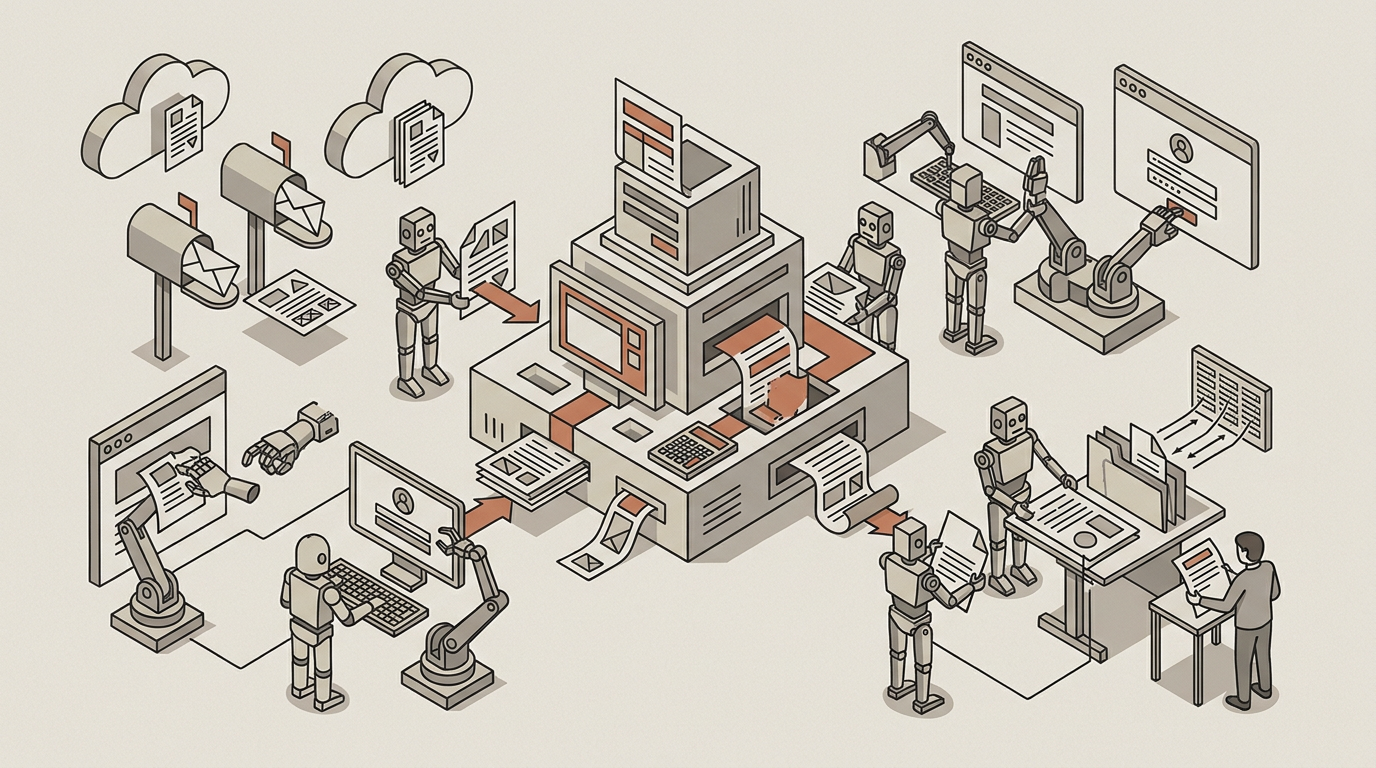
Problems it solves
Four tasks that cost a law practice its margin
The unbilled work around a matter: before it starts, while it runs and every time a client asks about it.
Intake, before any fee is earned
Enquiries arrive by form, email and phone, and qualifying them, checking conflicts and booking a consultation takes a lawyer's time.
Routine drafting from scattered precedents
Engagement letters, standard clauses and client updates, from precedents that live in individual lawyers' folders.
Status, asked repeatedly
Clients email to ask where a matter stands, and a fee earner stops to look it up.
Confidentiality, defensible to the bar
Any tool that touches client material has to be explainable to the bar and to the client. That is a buying condition, not a preference.
Structured intake, and drafting from your own precedents
A widget or a form qualifies the enquiry, captures the facts and books a consultation on the right partner's calendar, so the first lawyer involved meets a qualified matter rather than a blank enquiry. Drafting works from your own precedents, not a general model's idea of a clause.
- Intake that qualifies, captures the facts and books the consultation.
- Engagement letters and standard clauses drafted from your own precedents.
- A client portal where a matter’s documents and status answer for themselves.
- An internal assistant so a junior asks the precedent rather than a partner.
How we compare
Where other tools stop and your own precedents begin
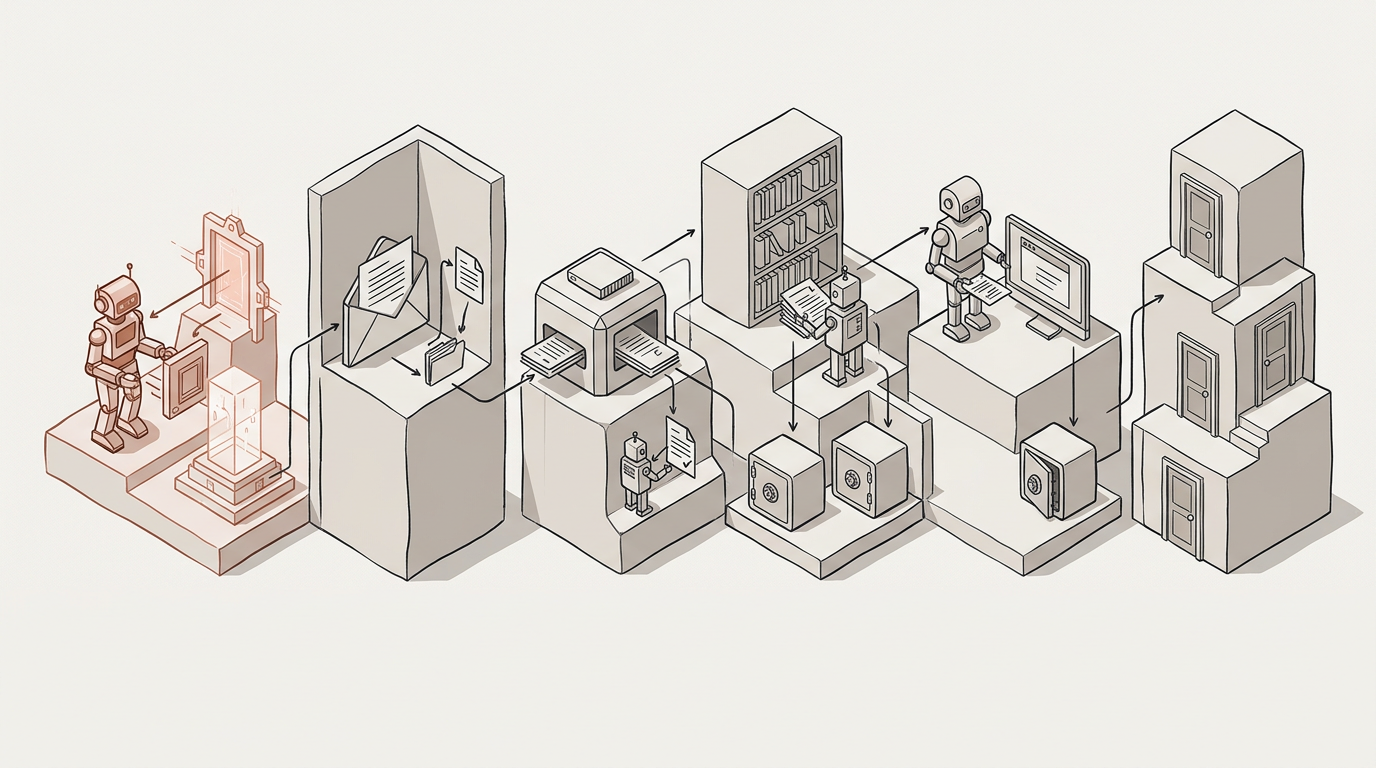
Practice suites with AI, generic assistants and automation platforms are each good at something. The question is whether they draft from your precedents, act in the systems you already run and leave a record of what was said on your behalf.
| Feature | MosenAI | Practice suites with AI | Generic AI assistants | Automation platforms |
|---|---|---|---|---|
| Answers from your own files, with the source cited | Inside its own records | |||
| Acts in the systems you already run | Its own, not the others | |||
| Reaches a portal that has no interface for machines | ||||
| A review step before anything irreversible | Assembled by hand | |||
| A branded place for your clients | Sometimes | |||
| Run by a practice manager, not a builder | ||||
| Drafts from your own precedents, not a general corpus | Within the matter | |||
| A record of what was said on the firm’s behalf | Partial |
What it uses
The parts of the platform a law practice uses most
Intake through the widget, forms and phone line, a portal for matters, your precedents as a private source, and roles so a paralegal and a partner don't reach the same material.
Interfaces
The widget and forms for intake, the portal for matters, the phone line for the rest.
Read moreKnowledge bases
Your precedents and templates, with a source private to one client where it should be.
Read moreThe AI assistant
The assistant, scoped per matter and governed by what the firm never promises.
Read moreQuestions
What law practices ask first
Bring your engagement letter
And the intake enquiry you most recently wished had arrived qualified.