Internal knowledge assistant with AI, so your team asks the manual instead of each other
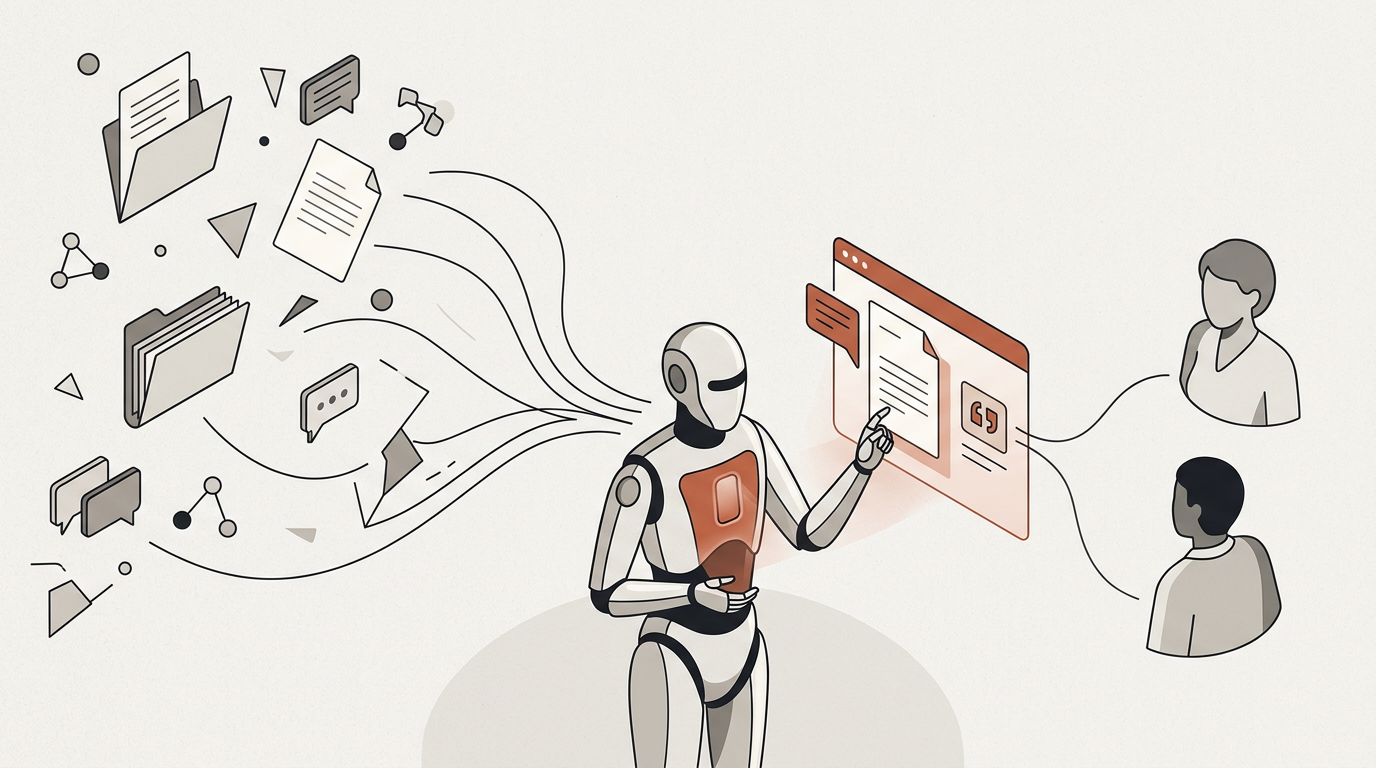
Procedures, precedents, templates and policies already exist, spread across folders, inboxes and people's heads. AI connects them, answers your team's questions with the source cited and the template attached, and drafts documents from your own templates, under standing instructions you write once.
Problems it solves
Know-how spread across folders, inboxes and heads, and an interruption no report shows
Your procedures, precedents, templates and policies, and the way your most senior person does a particular thing, sit in folders nobody searches, inboxes nobody can see and heads that are busy. So new staff ask the same questions, and experienced staff answer them instead of doing billable work. It's a cost nobody books anywhere, which is why it keeps growing.
Spread across folders, inboxes and heads
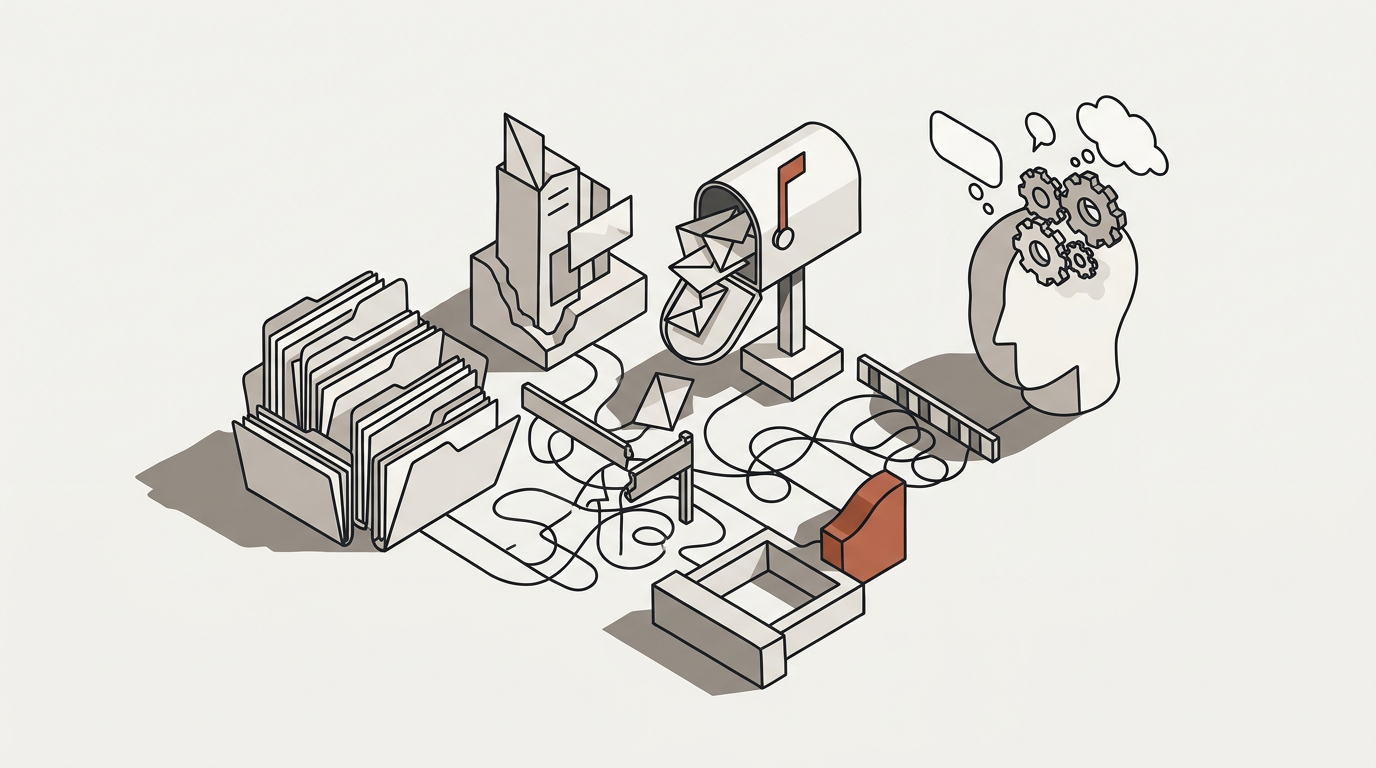
The firm’s know-how — the procedures, the precedents, the templates, the policies, the way a senior partner does a particular thing — is spread across folders nobody searches, inboxes nobody can see, and heads that are busy.
An interruption no report shows
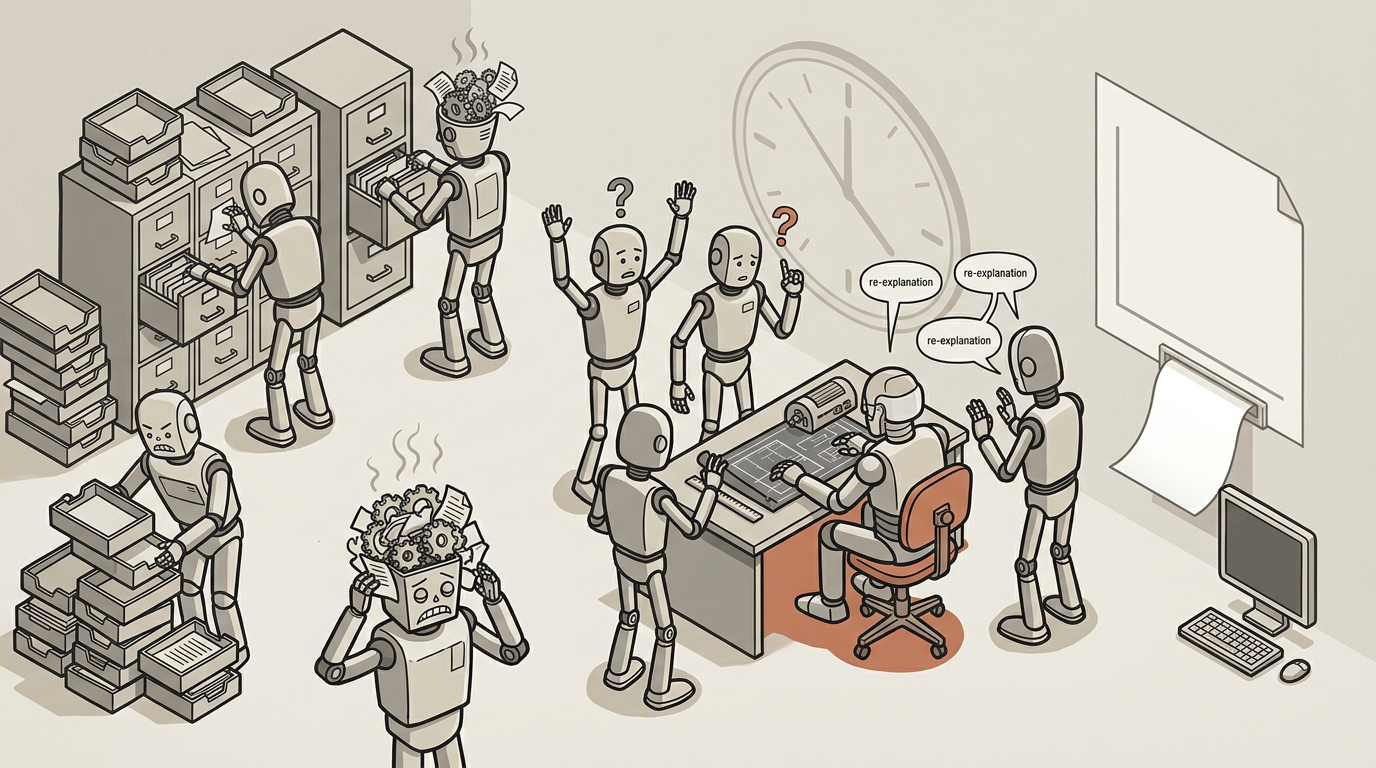
So new staff ask the same questions, and experienced staff answer them instead of billing. It is a cost nobody books anywhere, which is why it grows: the interruption is invisible on every report a firm produces.
How we help
From the documents you already keep to sourced answers and ready drafts
We connect the procedures and policy pages you already keep and sync them on a schedule, so answers follow the document instead of a one-time copy. When someone asks how to prepare a filing, the answer returns the procedure cited and the template attached, so they can check it rather than trust it. They can then ask for the draft, generated from your own template and opened for editing. Your standing instructions on tone, disclaimers and what you never promise apply to every answer, and roles make sure a junior and a partner don't see the same material.
Connect what already exists
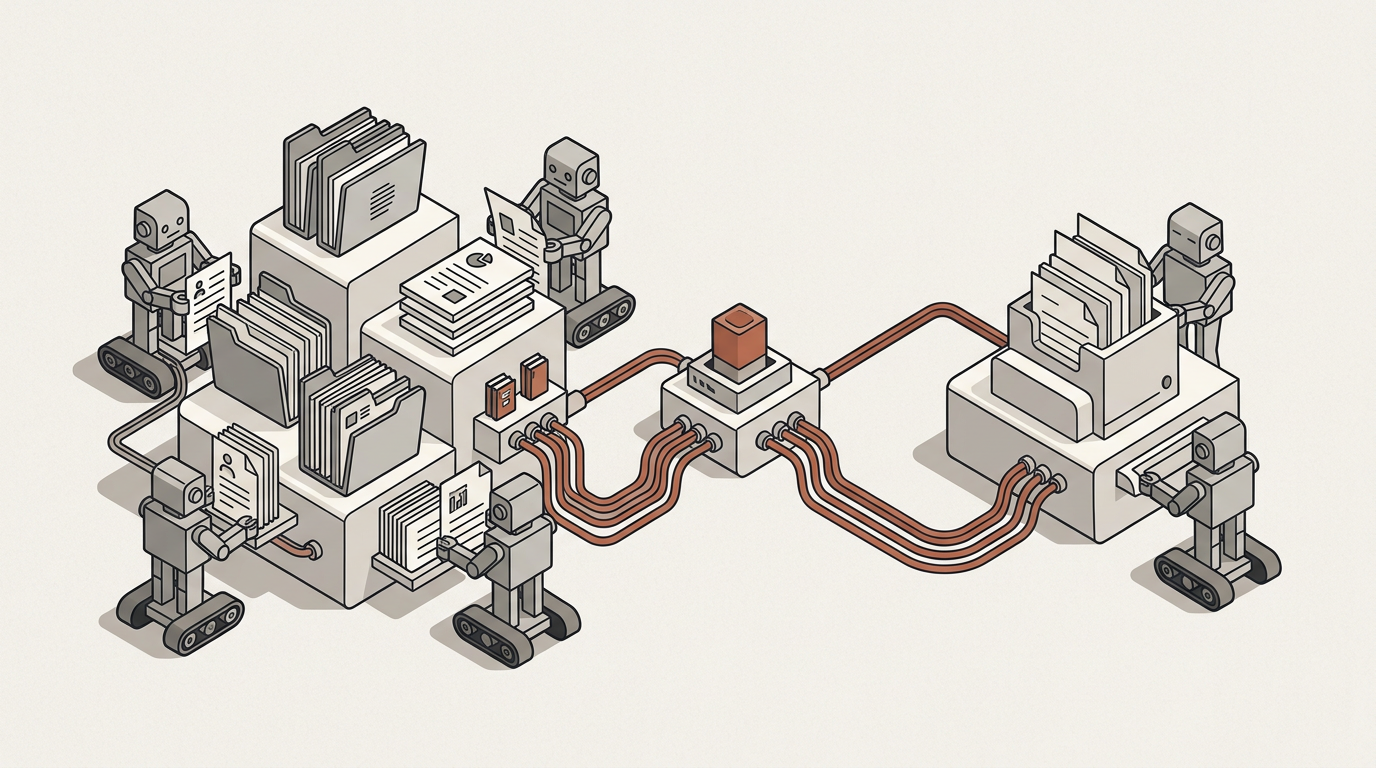
The procedures folder and the policy pages your firm already keeps, synced on a schedule so the answer tracks the document rather than a copy taken once.
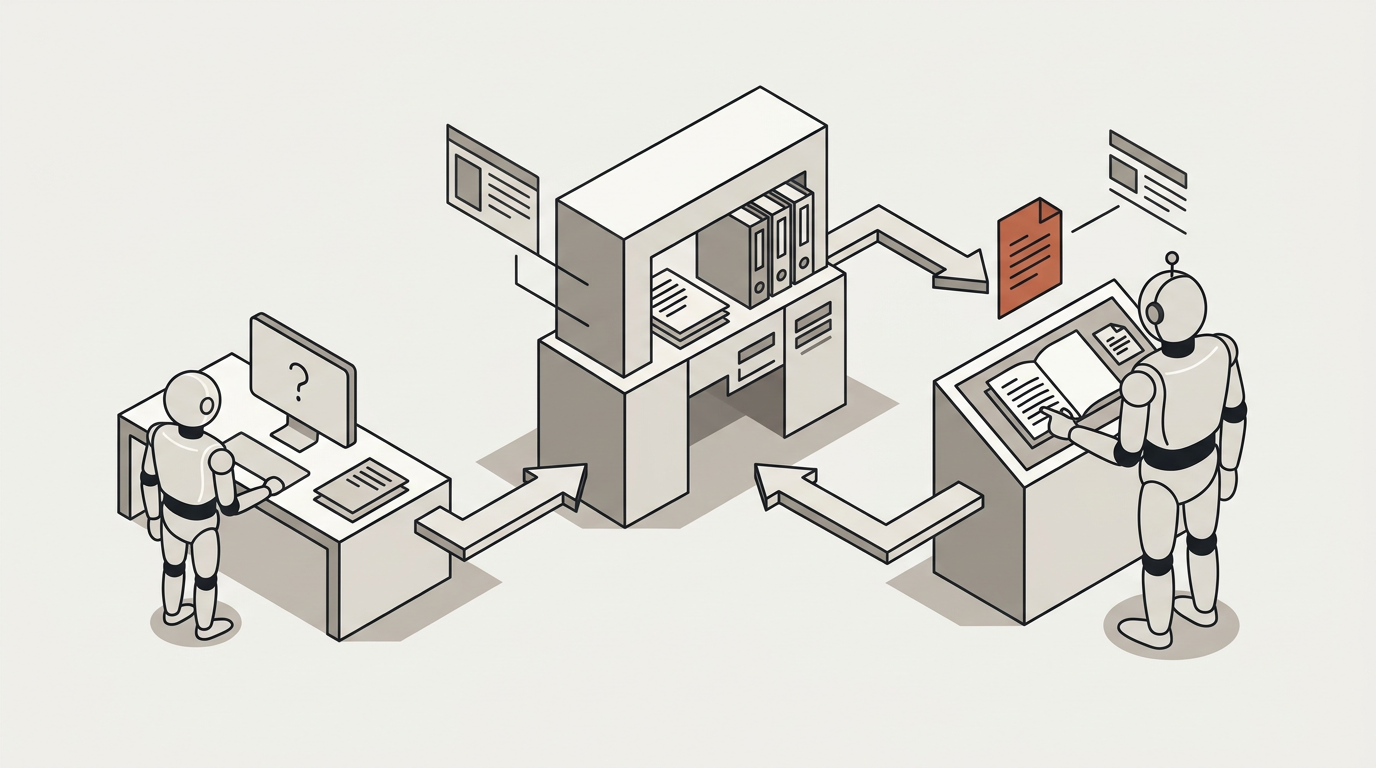
A junior asks
How to prepare a particular filing. The answer comes back with the procedure cited and the template attached, so they can check it rather than trust it.
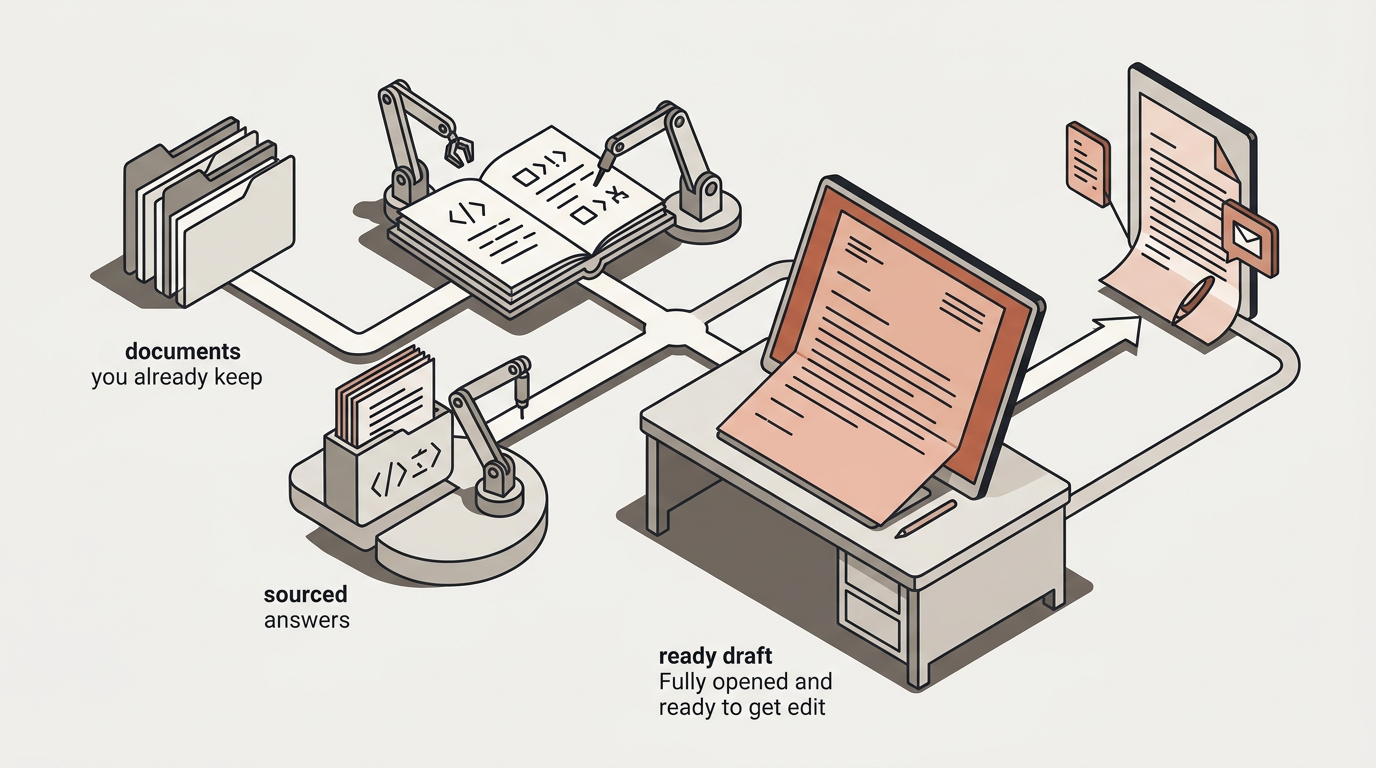
And then asks for the draft
The covering letter, generated from your own template and opened for editing — rather than a blank document and a memory of roughly how the last one went.
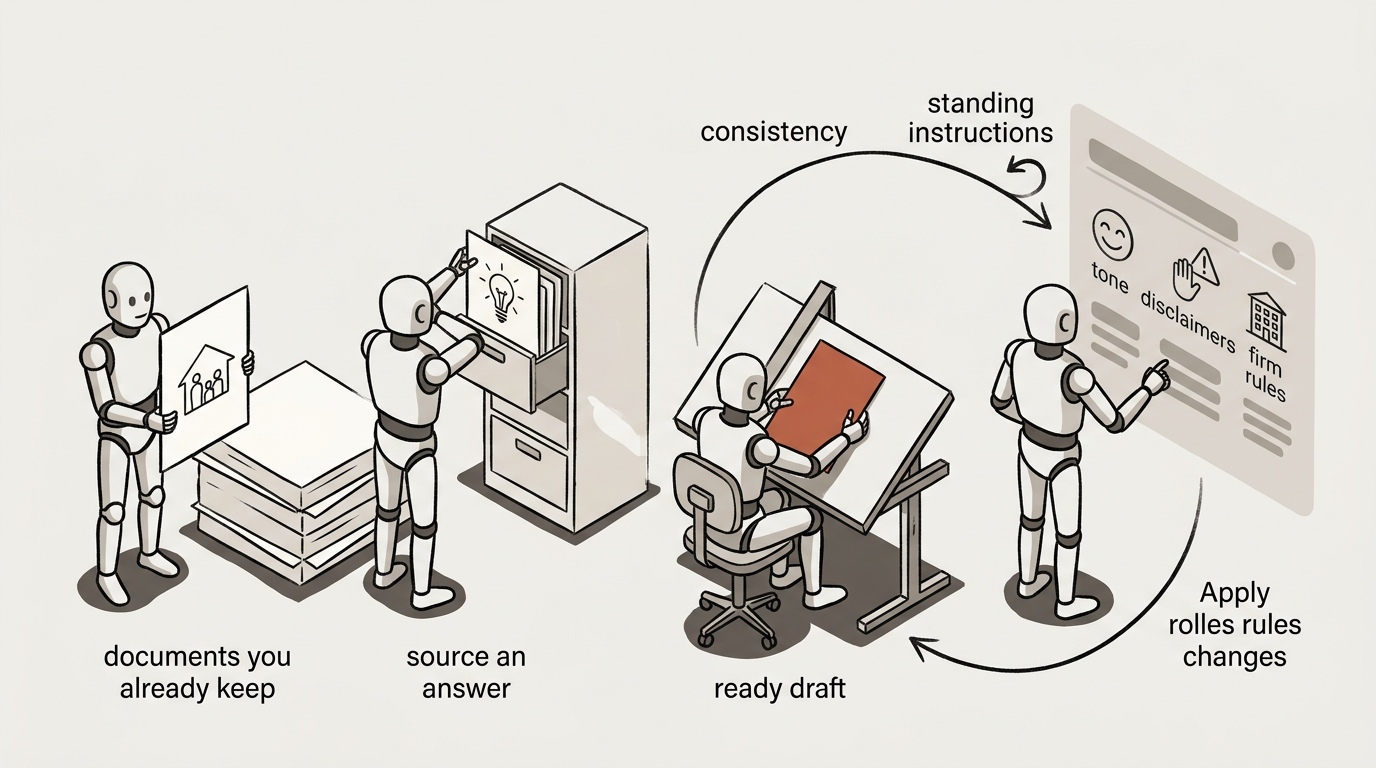
Your standing instructions apply throughout
Tone, disclaimers, what the firm never promises — written once, applied to every answer, and rolled back in one move if the wording turns out wrong.
What it draws on
The parts of the platform this uses
Knowledge bases
Your procedures and policies, connected and kept in sync, answered from with citations.
Read moreThe AI assistant
The assistant itself, and the standing instructions that govern every answer it gives.
Read moreWhat to watch
What a firm measures once this is running
Questions answered from the material
Per week. The crude volume measure, and the one that tells you whether people actually reach for it.
Time to find a procedure
Ask someone to find one before, and after. It is a small experiment and more convincing than a dashboard.
Documents drafted from templates
Rather than from the last similar one somebody remembered to look for.
Onboarding time for new staff
The measure this is really for, and the slowest to read. Worth recording before you start.
Questions
What people ask about an internal assistant
Start with the question you are asked most
Usually it is the second thing a firm automates, after something client-facing has landed.