AI meeting transcription: the client meeting writes itself up
The hour after a client meeting is the one that gets skipped. Record in person from the dashboard or the mobile app, and the transcript, the summary and the follow-up tasks exist without anyone staying late to make them.
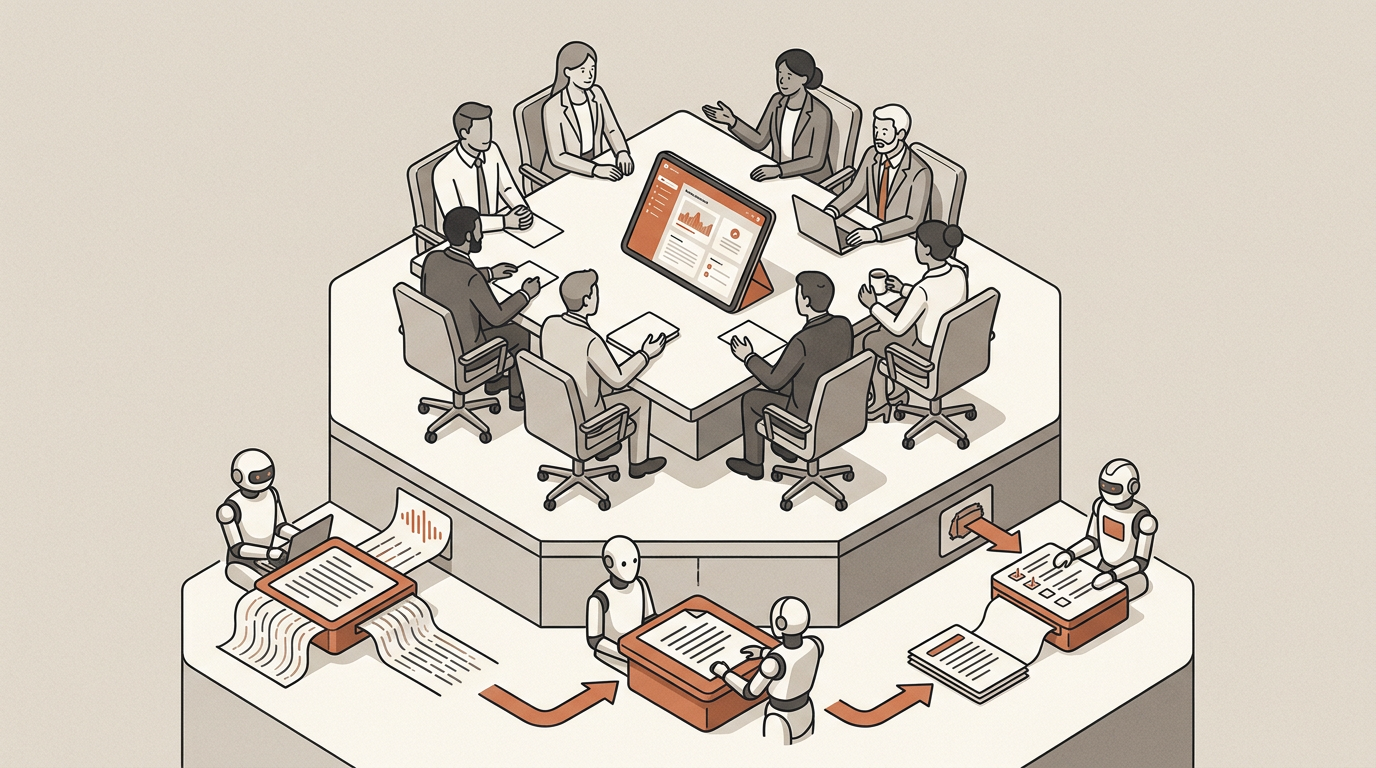
Record, transcribe, summarise
Record an in-person session from the dashboard or the mobile app. It transcribes live, labels who is speaking and lets you clean up and relabel afterwards. The summary comes from your own template and not a generic one, the notes carry versions and can be dictated, and the forms you assign are the forms you actually use.
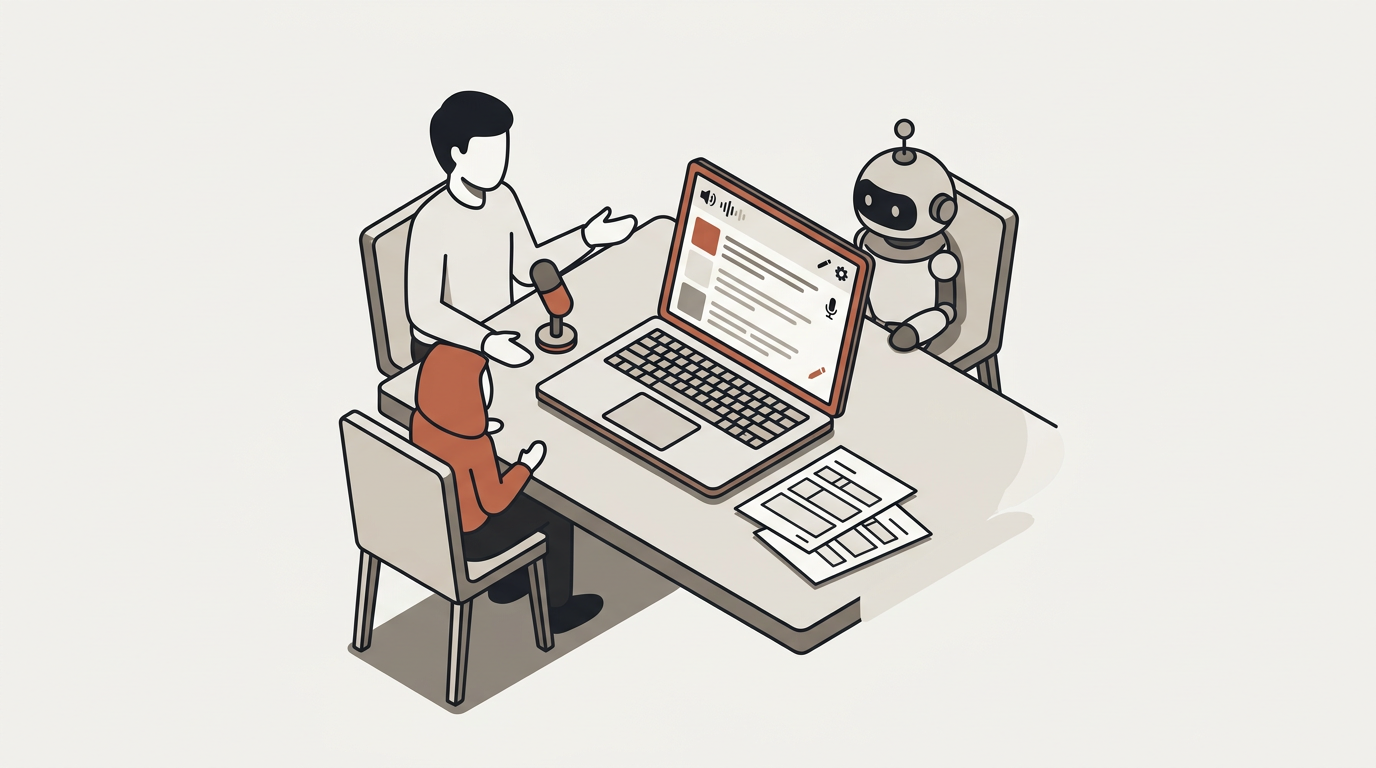
Filed with the right people and account
A session records who attended, several contacts with one primary, and which account it was with, frozen as it was at the time of the meeting. It appears on each participant's timeline alongside their conversations, documents and runs. The tasks it produced go to a board your team can see, and the client too where you choose.
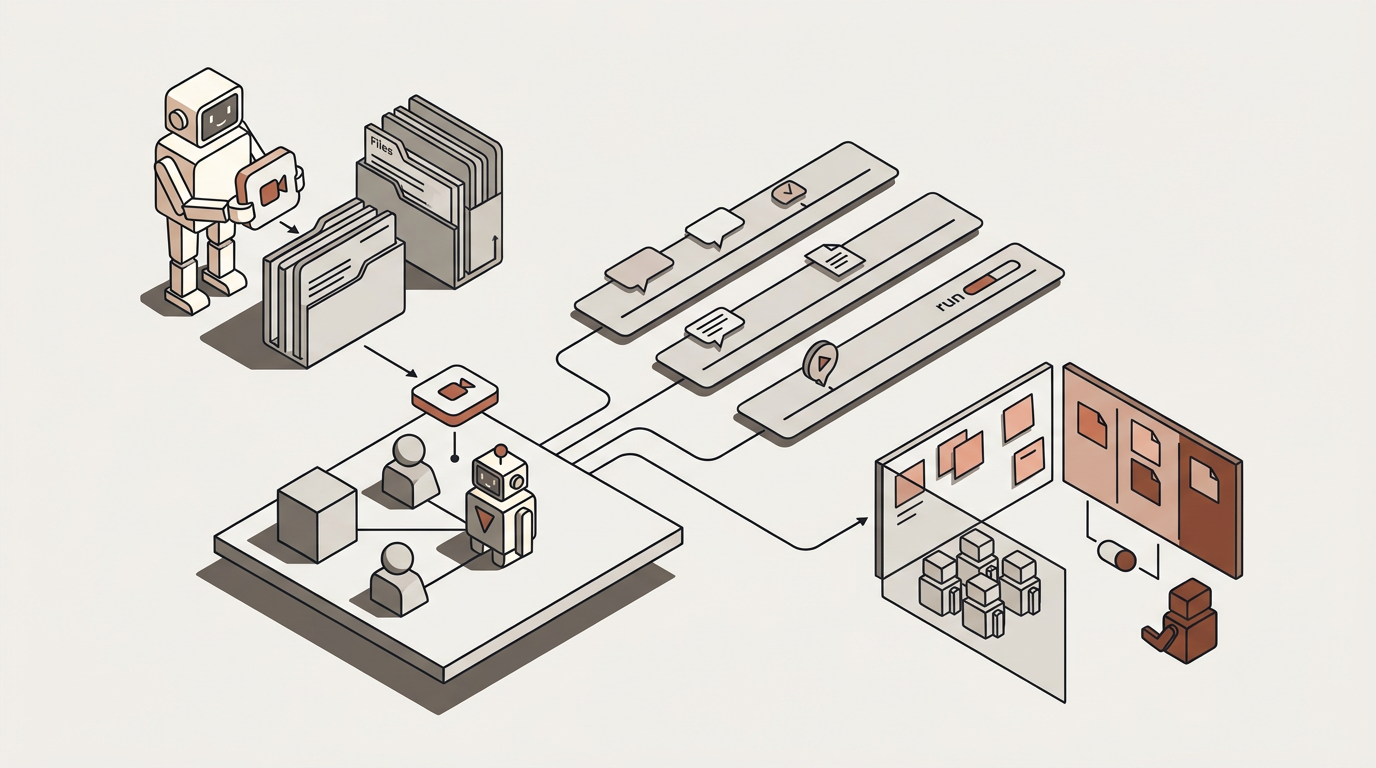
What a session leaves behind
Six things, none of them typed up afterwards
The point is not the recording. It is that the record exists before anybody has time to decide not to make it.
A transcript
Live, with speaker labels, and cleanable afterwards, because a transcript nobody can correct is a transcript nobody trusts.
A summary from your template
Your own summary shape, not a generic one, so it lands in the format the next person expects to read.
Notes, with versions
Typed or dictated, and versioned as they change, so an edit made after the fact does not quietly replace what was written at the time.
Forms you already use
Assigned to the client and completed by them, attached to the session and not living in an inbox.
The tasks it produced
With assignees and status, on a board your team sees, and the client sees too where you decide they should.
A place on the timeline
Attached to each participant and to the account, beside every other thing that happened with that client.
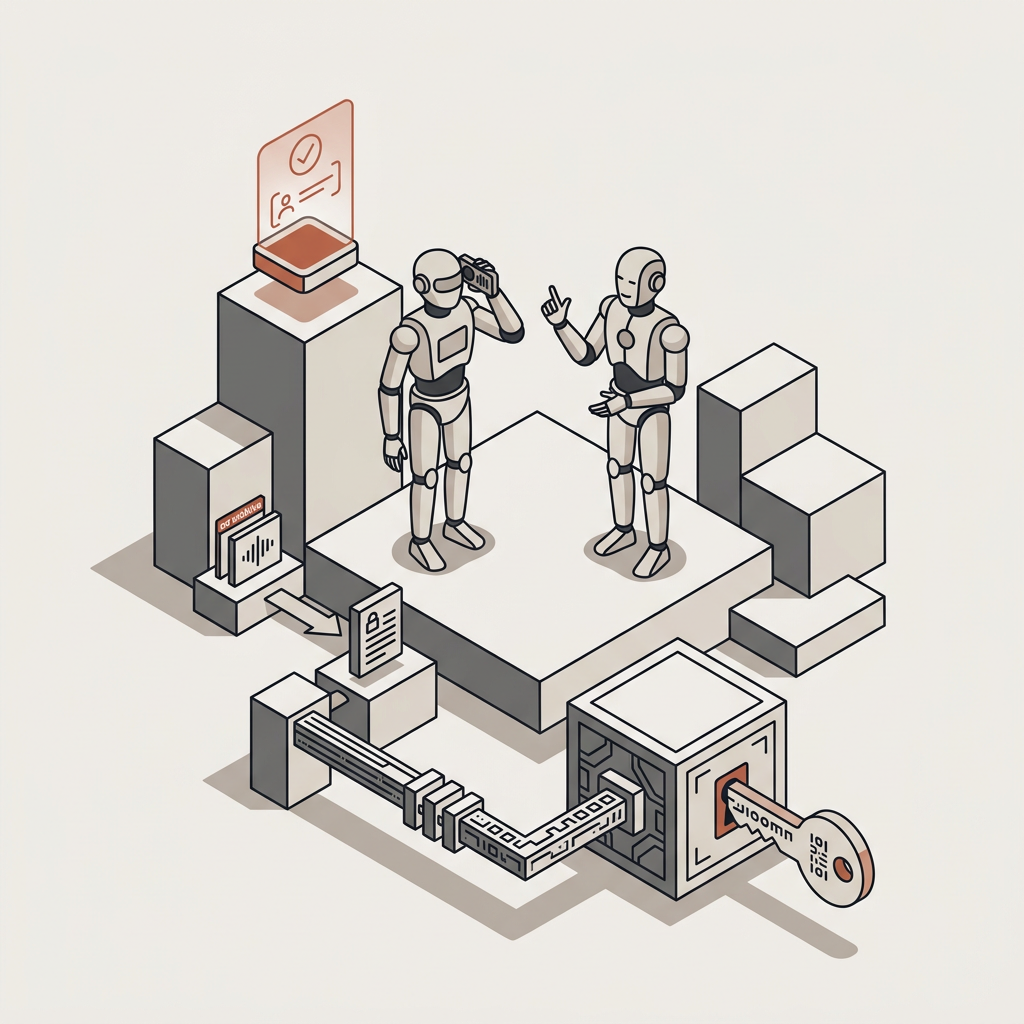
Recording a client is a decision with rules around it
Whose consent, recorded how, and what happens to the audio afterwards are the questions a professional has to answer to their own regulator. They are answered in the product and not left to the person holding the phone.
- Consent is the recorder's attestation against your own policy, mandatory or advisory as you set it, and is stored immutably on the transcript.
- Audio archiving follows your retention policy, and a device recording never archives audio at all, by design.
- Transcripts are encrypted under your own key.
What you use it for
Start with the meeting nobody has time to write up
Client service & accounts
A named client asking where their own account stands, and waiting for a person to look.
Read moreInternal knowledge assistant
One person knows how it is done, and everyone else interrupts them to find out.
Read moreHealth & wellness practices
Consultations and handovers written up before the next appointment starts, with consent recorded.
Read moreBring a recording of a real meeting
Summaries are easy to demonstrate on a clean example and hard on a real one. Use a real one, and one you have consent to share.