AI agent analytics: what it did, what it cost, what to fix
An agent you cannot inspect is an agent you cannot defend. This is the part that tells you where your agents are working and where they are guessing, what each client costs and exactly what happened, with everything exportable.
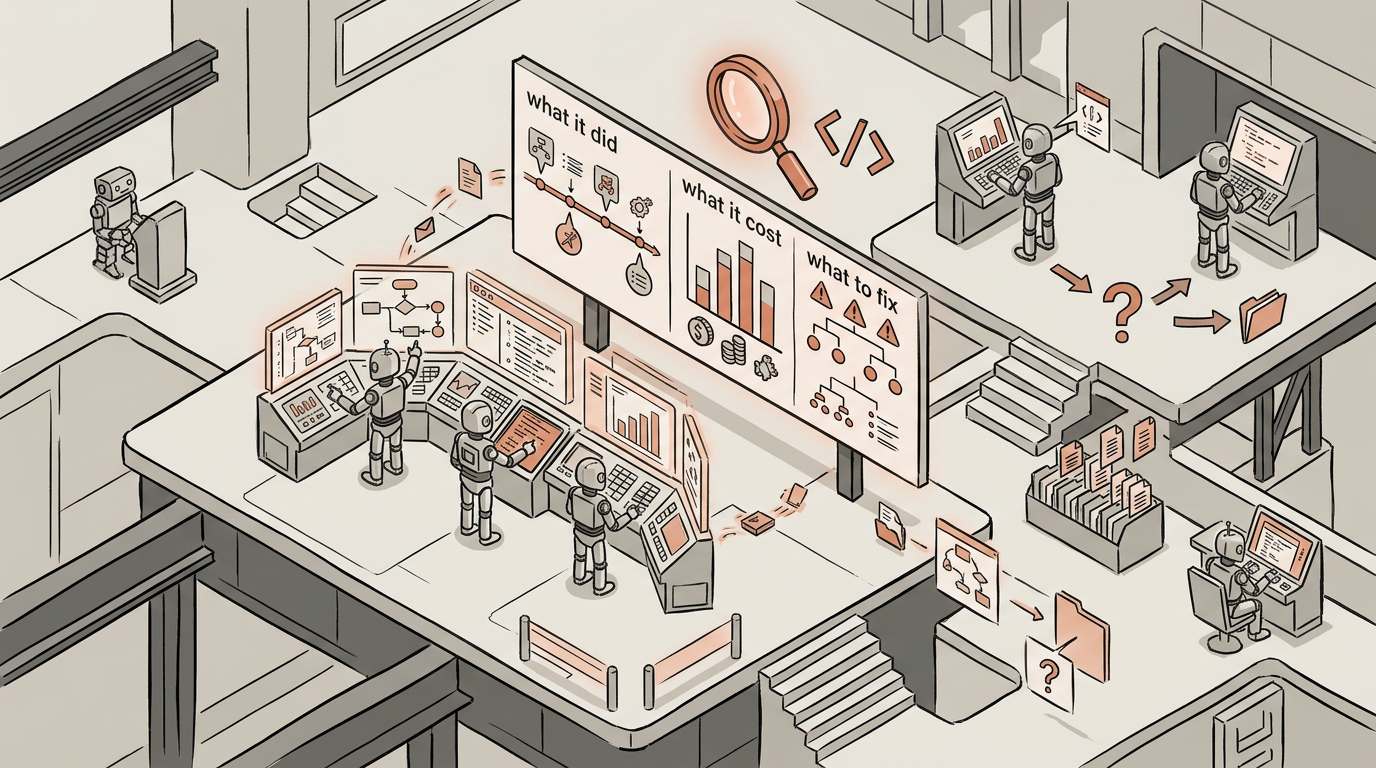
Every conversation and run, broken out
Dashboards cover conversations, queries and escalations, widget activity, agent performance and workflow runs, broken out over time by error, cost, trigger, user, version and node. Session analytics cover transcription time, languages and forms. All of it exports as a spreadsheet, because the question is usually asked by someone who wants to do their own arithmetic.
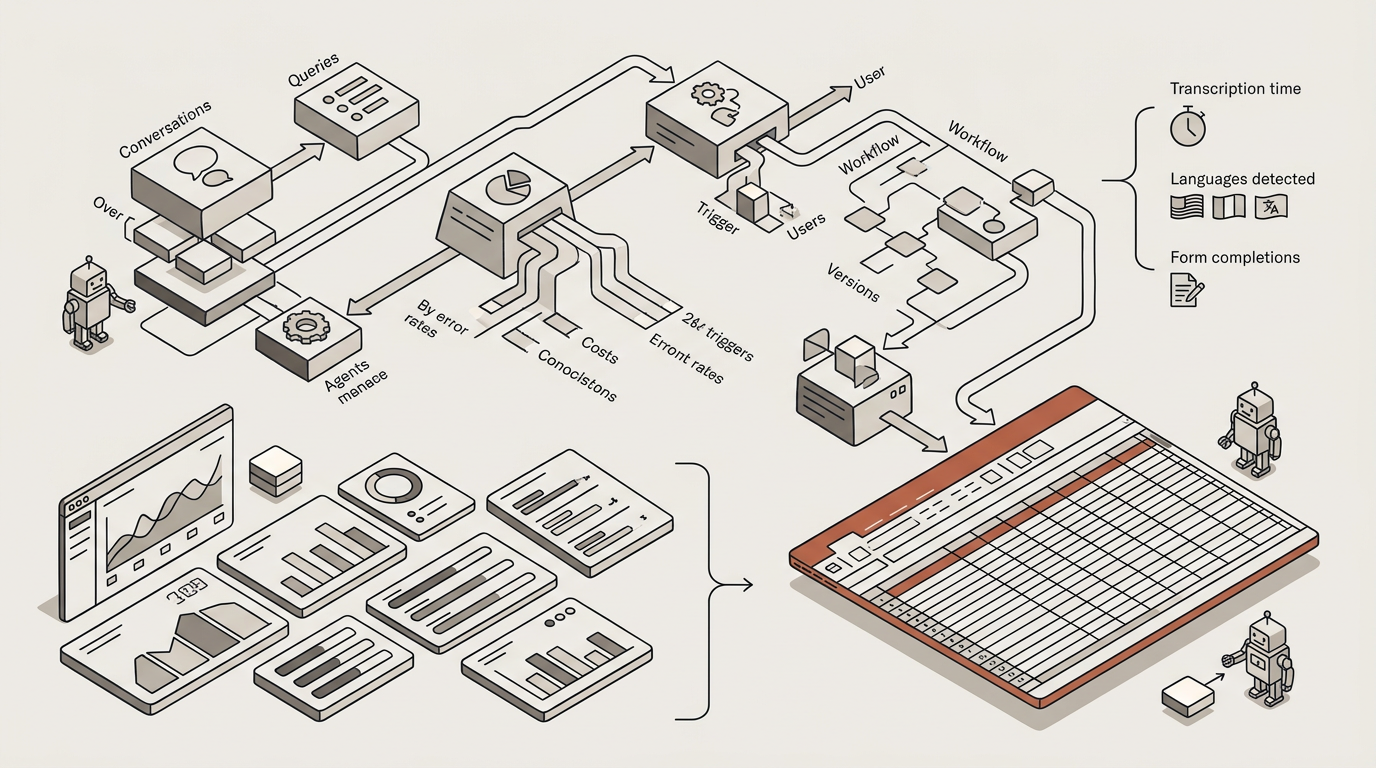
The expensive client, before the invoice
Cost is reported per client, per user, per widget and per workflow, with gauges and threshold alerts, so you can see which client is expensive before the invoice and not after. An optimisation engine routes work across models by cost and quality, caches and deduplicates, and reports what that saved.
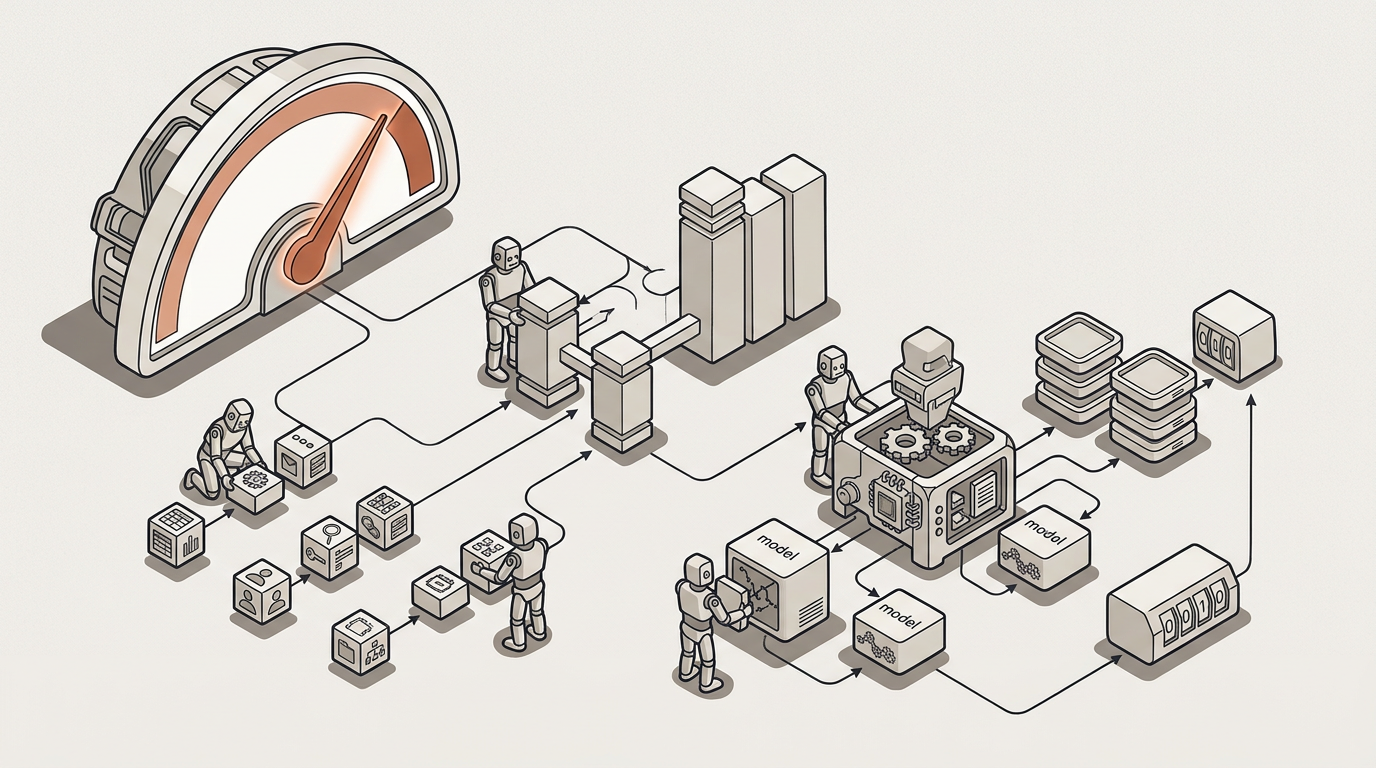
What you can measure
our questions you actually ask
Framed as what to measure and not as results, because we would rather show you real numbers on your own data than quote ones we invented.
Is it answering well?
Conversations, queries, escalation rate and satisfaction, plus retrieval-effectiveness and quality dashboards that show where answers were thinly supported.
Are the runs healthy?
Workflow runs over time, with errors, triggers, versions and the specific node where things failed, so a fix is aimed and not guessed.
What is this costing?
Cost per client, user, widget and workflow, with allowance gauges and threshold alerts before a bill and not after it.
What exactly happened?
A full audit of every interaction, tool call and escalation, kept separate from the conversation transcripts and exportable on demand.
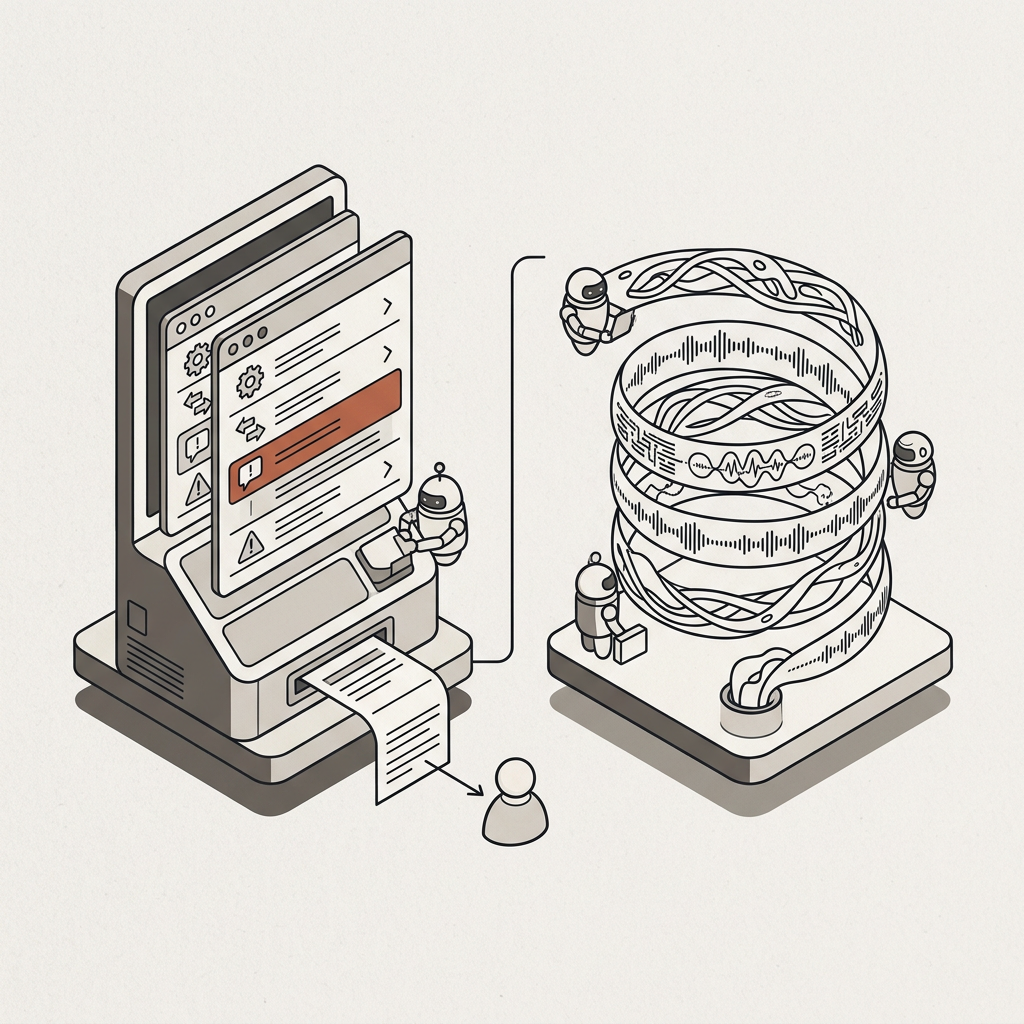
The audit is separate from the conversations, on purpose
A professional asked what an agent did on their behalf needs to answer without handing over a client's conversation to do it. The record of actions is kept apart from the record of what was said, and it exports on its own.
- Every interaction, tool call and escalation is recorded, and the record exports.
- Kept separate from conversation transcripts, so answering an audit question does not mean disclosing a conversation.
- Terminal runs and their ledgers are retained for ninety days by default and then pruned, except anything with an unresolved action.
What you use it for
Start with the agent you would have to defend
Back-office automation
Renewals, closings and filings that run on a calendar, not on somebody's memory.
Read moreClient service & accounts
A named client with an allowance you can watch, cap and pass through.
Read moreAsk what you would need to prove
If your regulator asked what an agent did for a client last March, what would you want to be able to produce?