Customer support automation with AI, answered at any hour from your own material
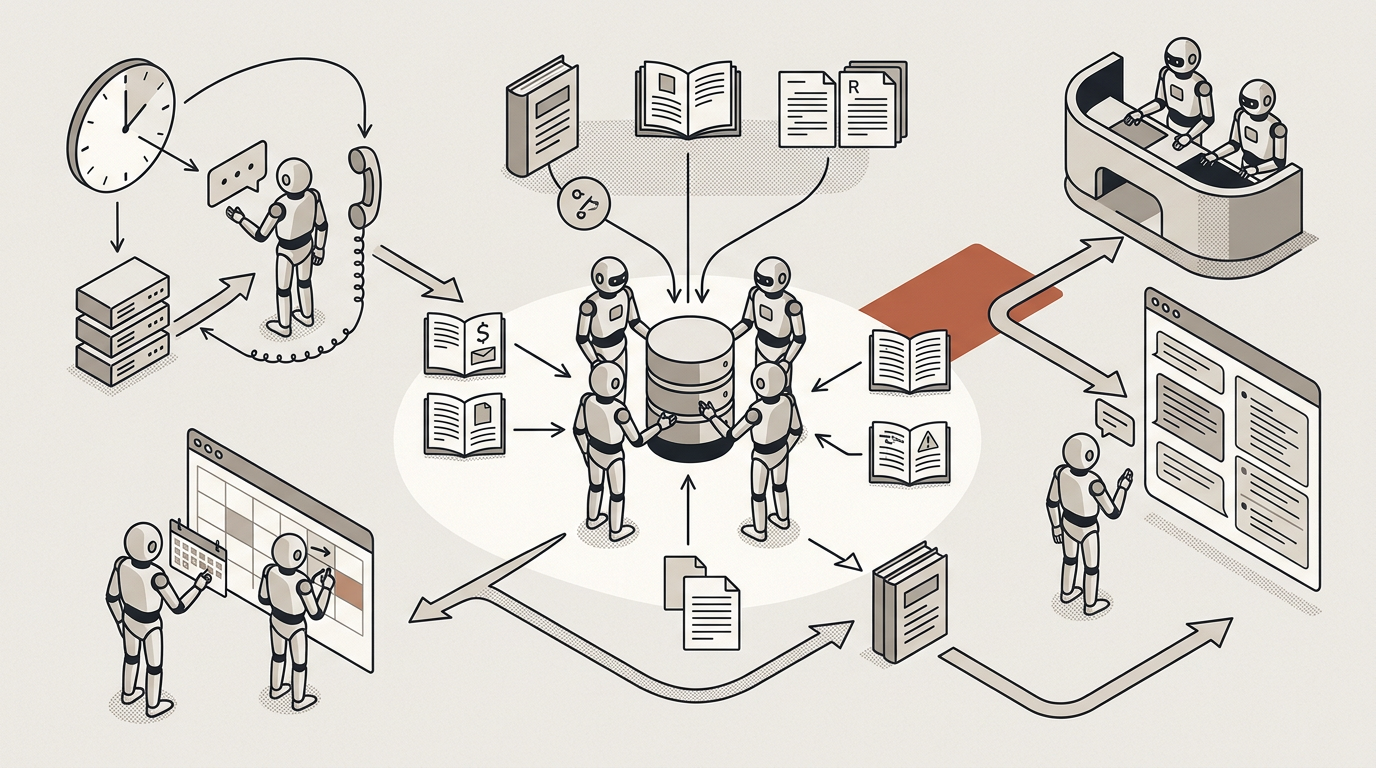
The same questions arrive by email and phone at every hour: status, documents, opening hours, how to do something. AI answers them from your own policies with the source cited, books or changes appointments, and hands the conversation to your team, with the full history, when it shouldn't decide.
Problems it solves
Easy questions that cost a great deal, answered by whoever is free
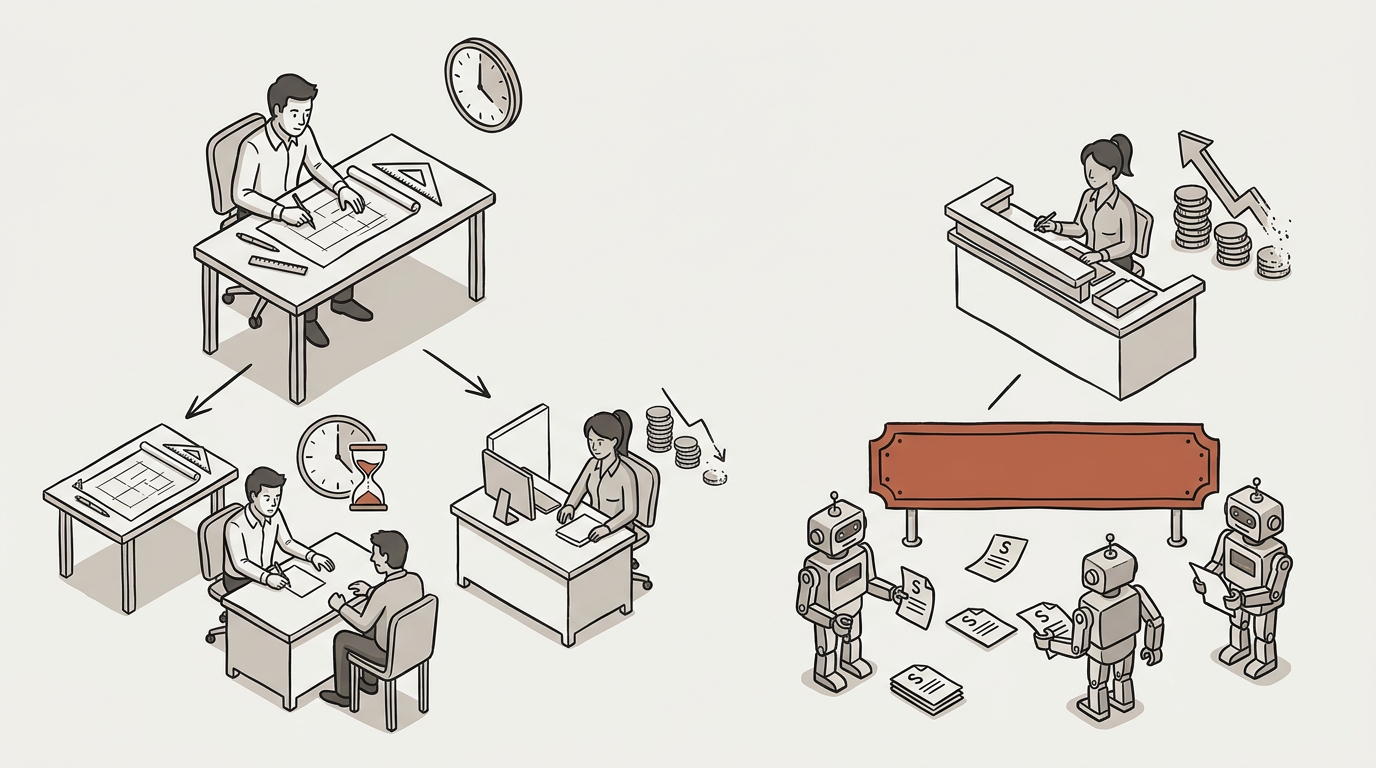
Status, documents, opening hours, how to do something they have done before. The questions aren't hard, but they come up often enough to cost a lot, and the person doing the billable work answers them. Answer slowly and trust erodes. Hire a front desk, and margin does.
Easy questions that cost a great deal
Status, documents, opening hours, how to do a thing they have done before. The questions are not hard, which is exactly the problem: they are easy enough that answering them feels like it should not cost anything, and they arrive often enough to cost a great deal.
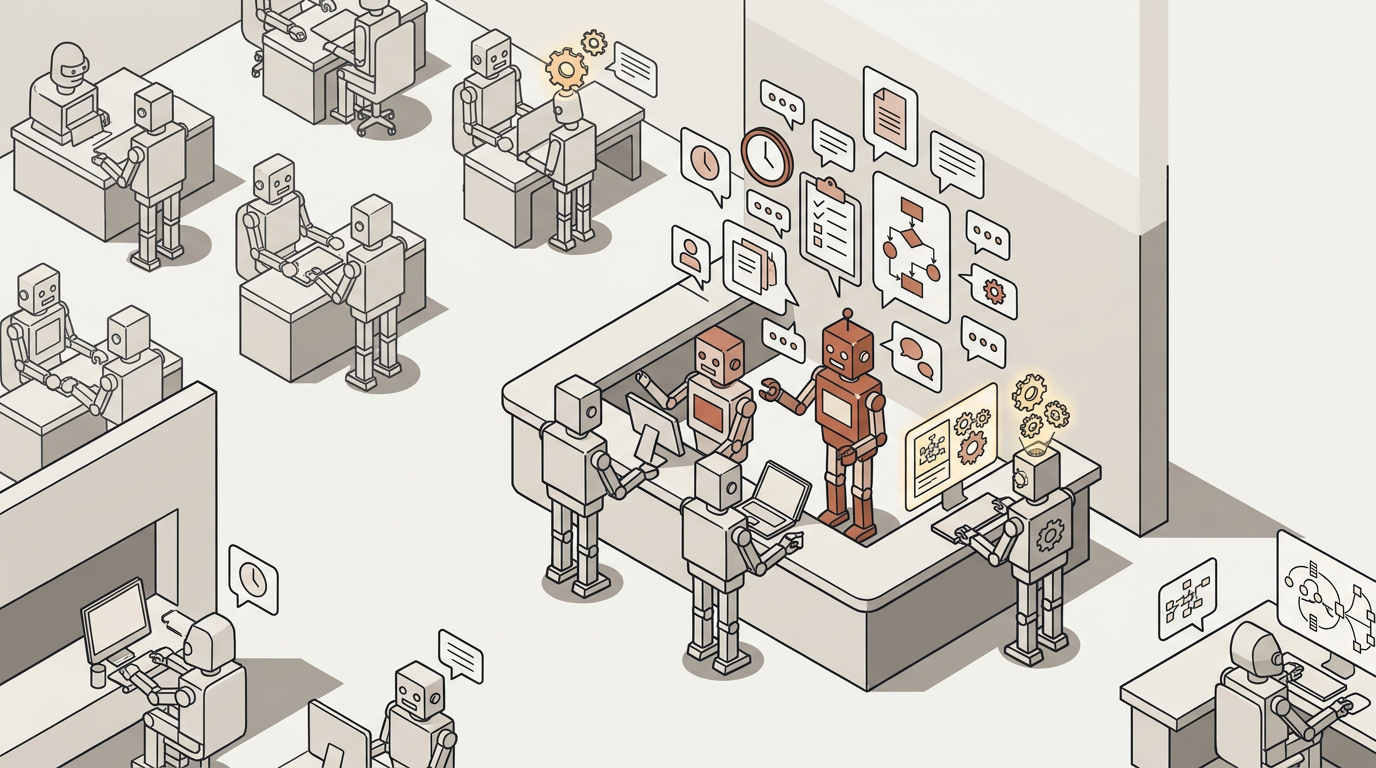
Answered by the person doing the billable work
The person answering is the person doing the billable work. Answer slowly and trust erodes; hire a front desk and margin does. This is support in the narrow sense — an anonymous, reactive request that has an answer and then is finished.
How we help
One agent on every channel, answering from your policies and handing over when it should
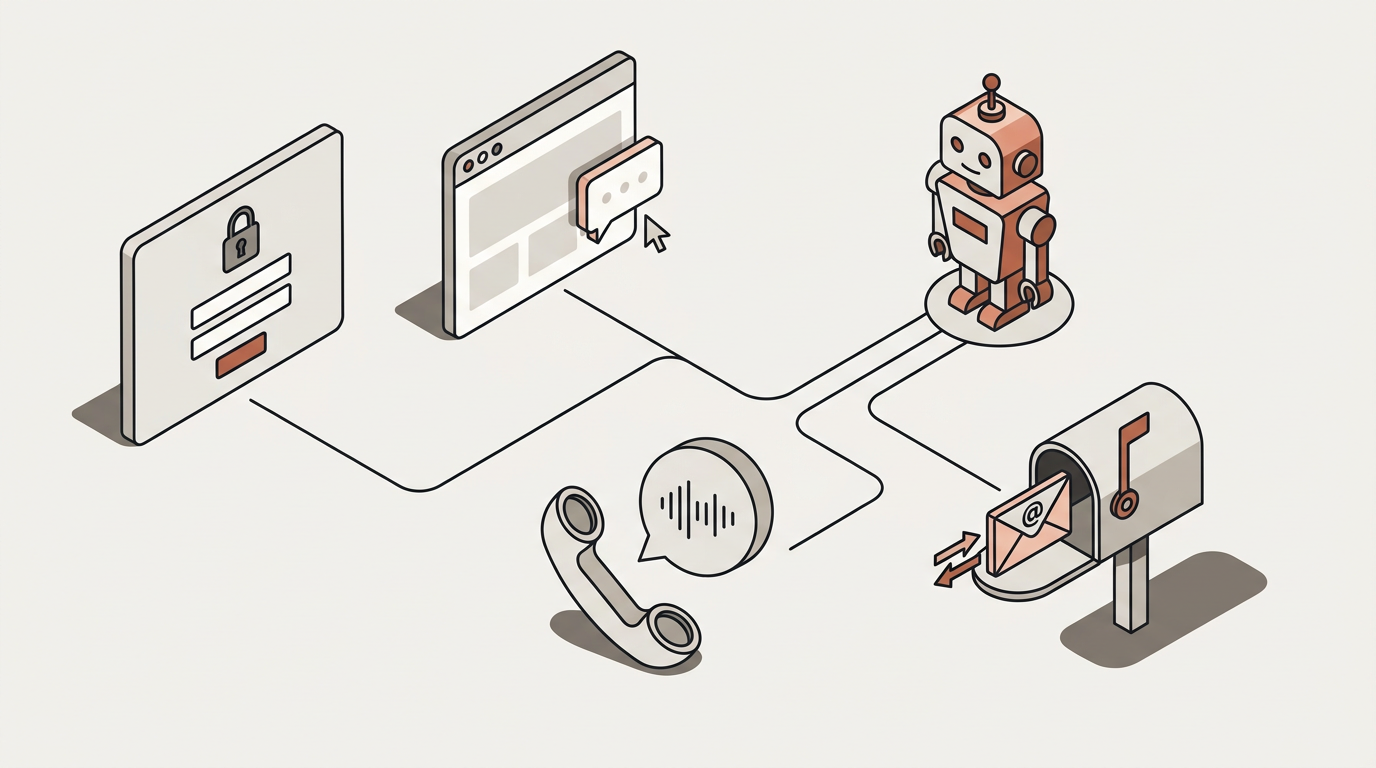
Clients ask on your portal, your website, your phone line or by email, and the same agent with the same knowledge answers each one. It replies from your own material with the source cited, so people can check instead of taking it on trust. It can also act: check real availability, book the slot, send the confirmation and log it on the client's timeline. Anything it shouldn't judge goes to your team with the whole conversation, so the person picking it up starts where the client left off.
They ask, wherever they are
On your client portal, the widget on your website, your phone line or an email address. It is the same agent with the same knowledge behind all of them.
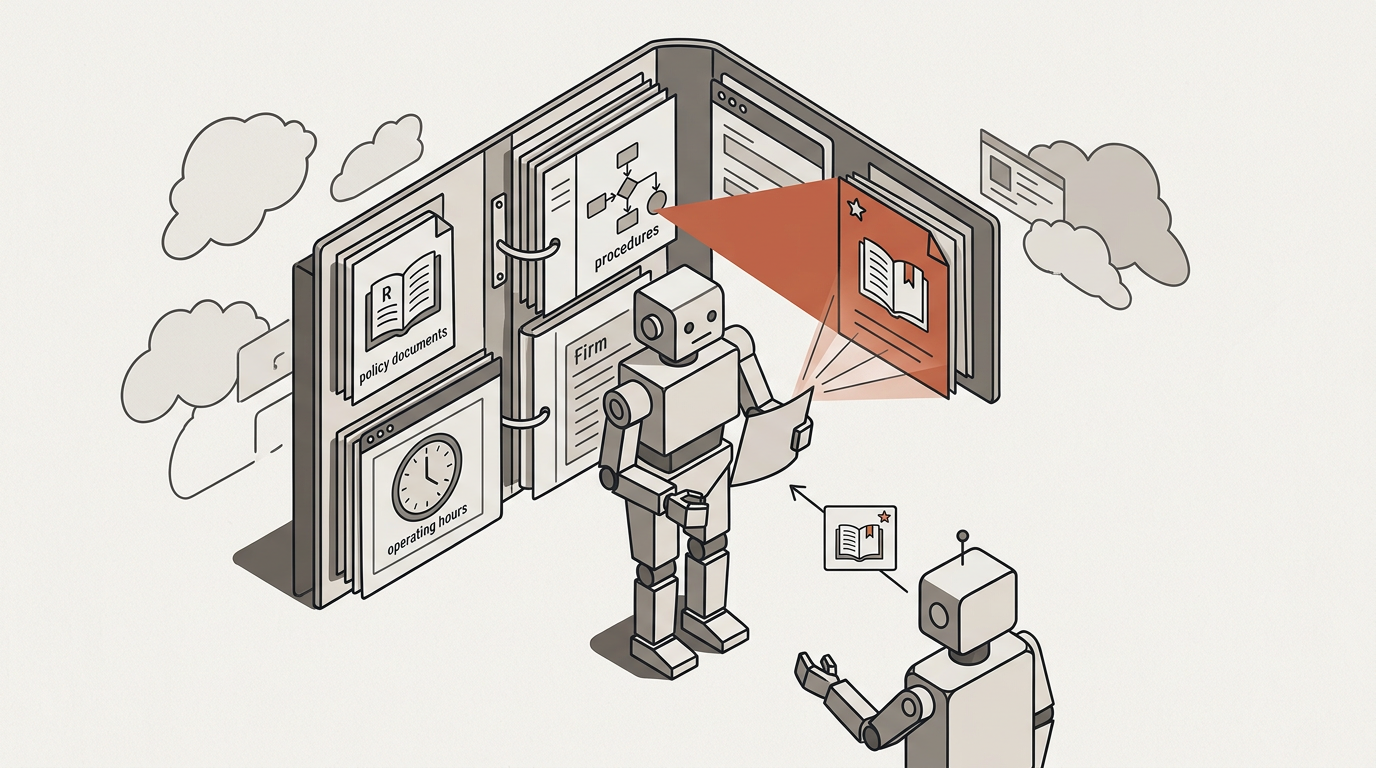
It answers from your own material
Your policy document, your procedure, your hours — cited, so the person can check rather than take it on trust. Not from a general model’s idea of how firms usually work.
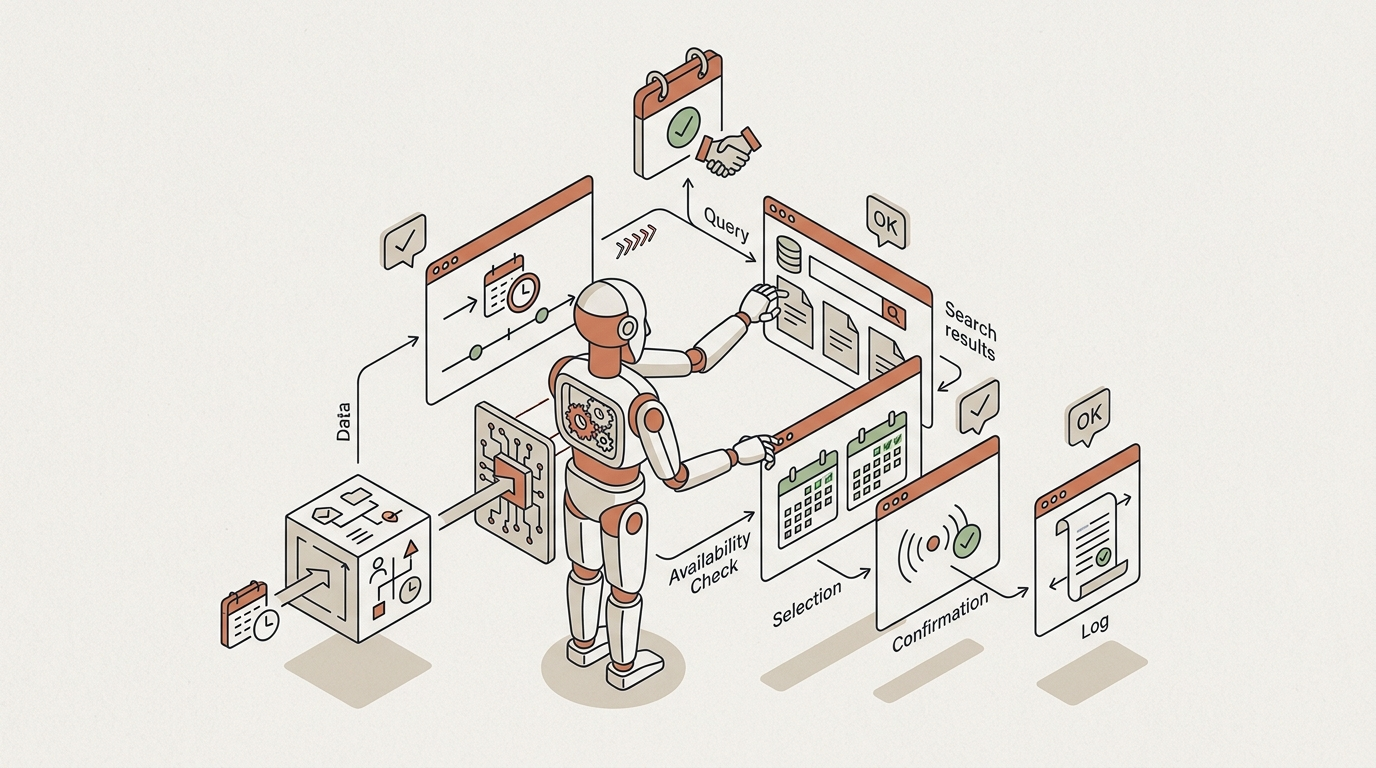
Or it does the thing
Asked to move Thursday’s appointment, it checks real availability, offers two slots, books the one chosen, sends the confirmation and logs it on that client’s timeline.
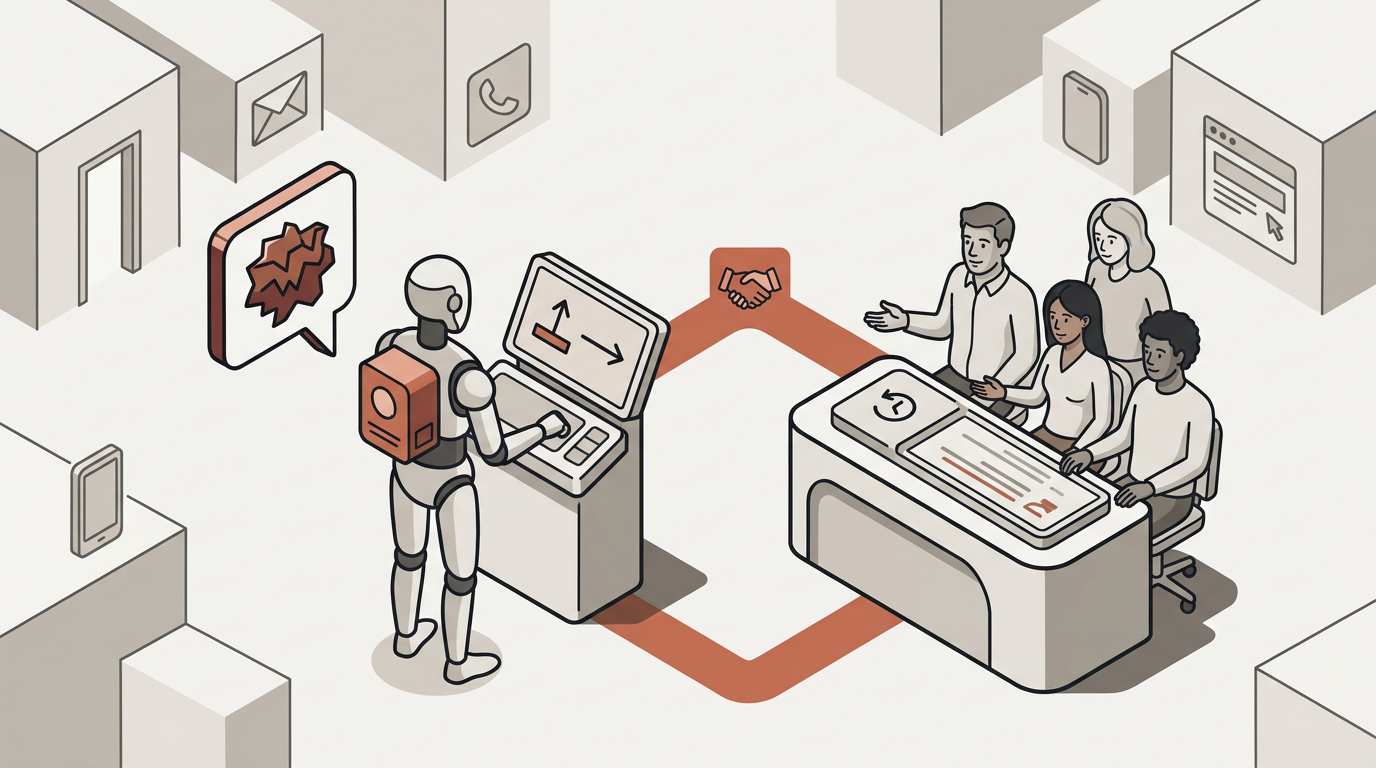
And it knows when not to
Asked something it should not judge, it says so and hands the conversation to your team, with the whole history — so the person picking it up starts where the client left off.
What it draws on
The parts of the platform this uses
Interfaces
The portal, the widget, the phone line and an email address — one configuration behind all four.
Read moreThe AI assistant
The agent itself — what it is scoped to, what governs it, and how it hands over.
Read moreWhat to watch
What a firm measures once this is running
First-response time
The gap between a question arriving and something useful going back. The number clients actually feel.
Resolved without a person
The share that finished on its own. Watch it beside satisfaction, or you are optimising for deflection rather than service.
After-hours requests handled
The ones that used to wait until morning. Often the clearest before-and-after a firm has.
Hand-off rate, and its quality
How often it escalates, and whether the person picking it up had what they needed. The second matters more.
Questions
What people ask about automated support
This is support. Client service is a different page.
Support is anonymous and reactive — a question with an answer, then finished. Client service is named and ongoing.
| Feature | Customer support | Client service & accounts |
|---|---|---|
| Who is asking | Anyone — often anonymous | A named client with a file |
| Shape of the work | Reactive — a ticket | Ongoing — a relationship |
| How it ends | Resolved and closed | It does not — it continues |
| What the agent knows | Your public and internal material | That one client’s own documents |
| What you measure | Deflection and response time | Onboarding time and account continuity |
Looking for the ongoing relationship instead?
A named client asking where their own account stands — their documents, their deadlines, their history — is client service, and it has its own page.
Read moreOr how the surfaces work
The portal, the widget, the phone line and the email address are one configuration behind the same agent. That is its own page.
Read morePut it on your own site and ask it something hard
The useful test is the question you would not want it to answer. Try that one on a demo.